Kaimbwe
The salt of the plateau
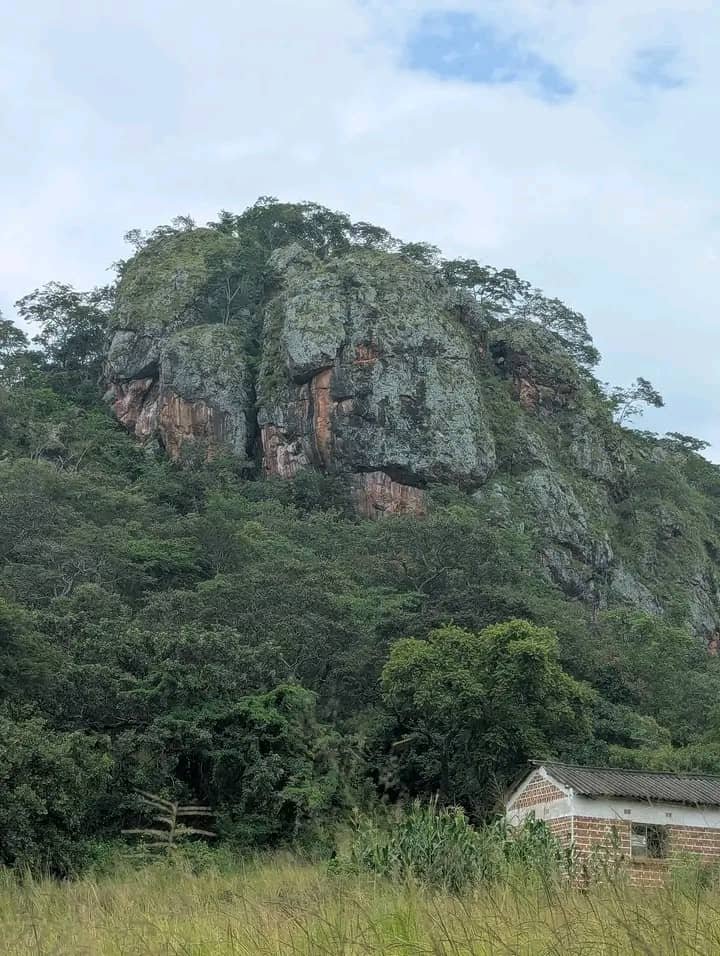
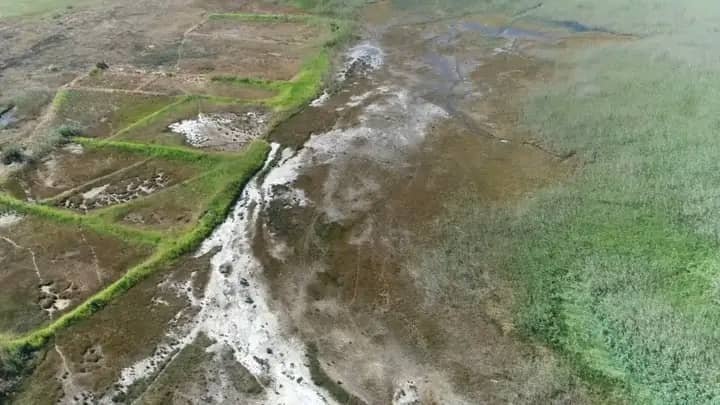
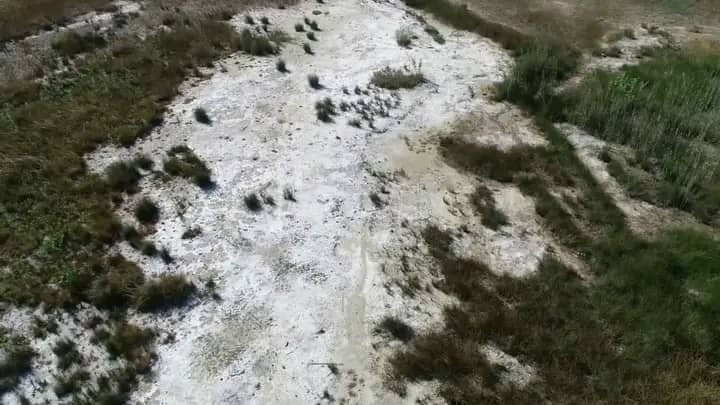
Out on the dambo the ground turns white. The women of Kasempa have worked the Kaimbwe salt pan for as long as the Kaonde have been in this country.
Kaimbwe
The salt of the plateau
Out on the dambo the ground turns white. For as long as the Kaonde have been in this country the women of Kasempa have worked the Kaimbwe salt pan, and the knowledge has been handed down daughter to daughter ever since.
How Kaimbwe salt is made
- 01
Soil is gathered from the Kaimbwe salt pan, where the ground runs saline.
- 02
The earth is burned, and the ash passed through a dish pierced with holes.
- 03
Water is sieved through the ash again and again, until it runs clear.
- 04
The brine is heated until every drop of moisture has gone, and the salt is left behind.
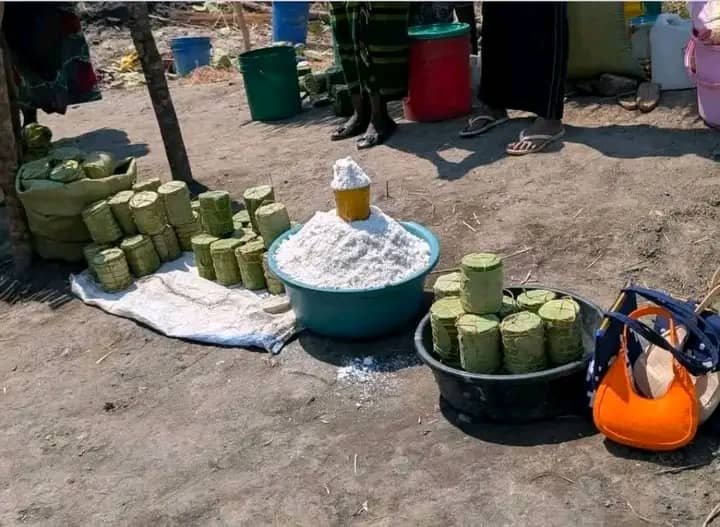
It is women's work and women's knowledge, taught to the younger generation at the pan itself. The salt is pressed and bound in leaf, and carried up to the market in cylinders — the form in which Kasempa salt has always been sold.
Continue